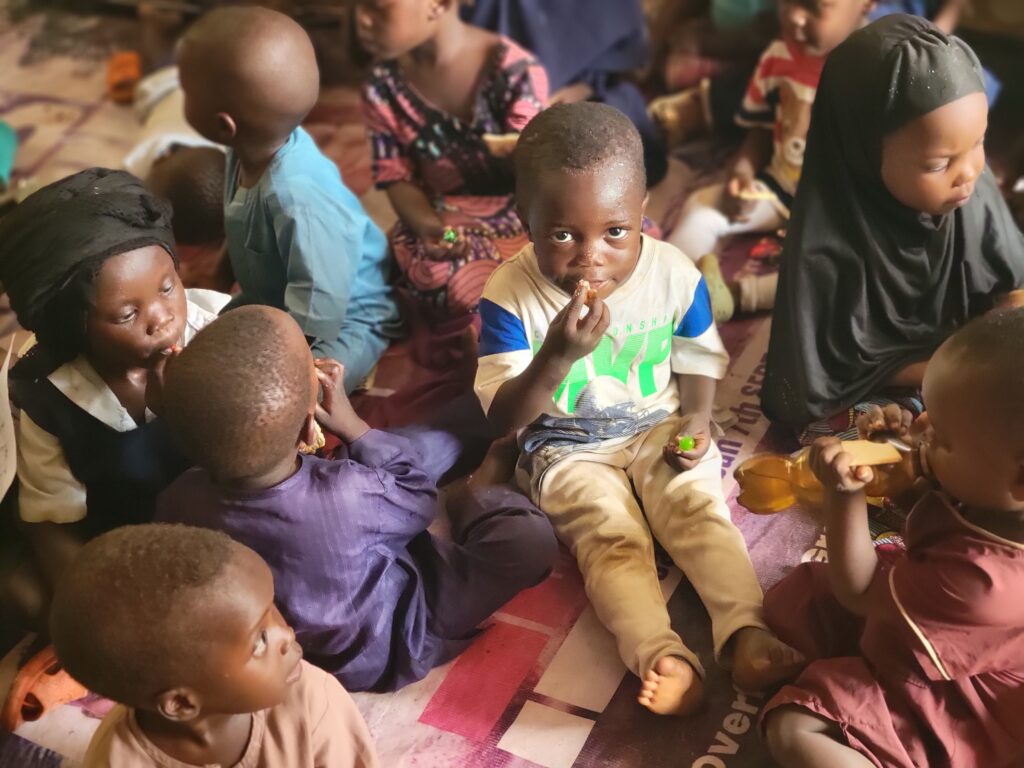
On March 11, 2026, Jed Child Trust Foundation carried out a children engagement outreach at the IDP Camp School in Abuja, reaching approximately 400 pupils across nursery, primary, and early adolescent age groups. The outreach was designed to go beyond conventional classroom interaction by creating an environment where children could actively participate, express themselves, and engage in learning in a more dynamic and supportive way.
From the onset, the focus was on building confidence and encouraging self-expression among the pupils. During an interactive session with Primary 1 pupils, children were invited to introduce themselves and speak about their aspirations. What began as a simple exercise quickly revealed its impact, as a significant number of pupils voluntarily stepped forward to speak, sharing ambitions such as becoming doctors, soldiers, and other professionals.
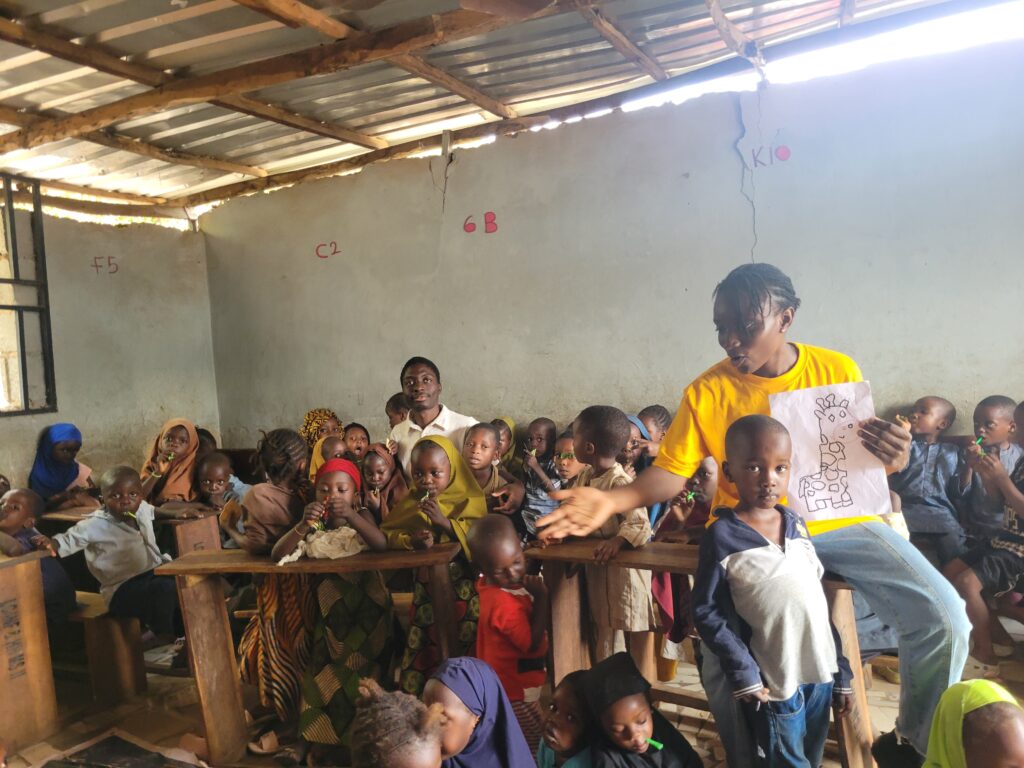
The outreach was structured to combine engagement with learning across multiple activity areas. Movement-based sessions engaged over 100 pupils at a time in group-based singing and interactive games, helping to sustain energy levels and encourage participation. These sessions played an important role in helping even the more reserved pupils become involved, as group participation and peer encouragement created a sense of inclusion.
Alongside these activities, practical learning sessions were incorporated. A hygiene awareness session reached the majority of participating pupils, focusing on handwashing practices, when to wash hands, and why it is important. The interactive format allowed children to respond to questions and demonstrate understanding, reinforcing the learning effectively.
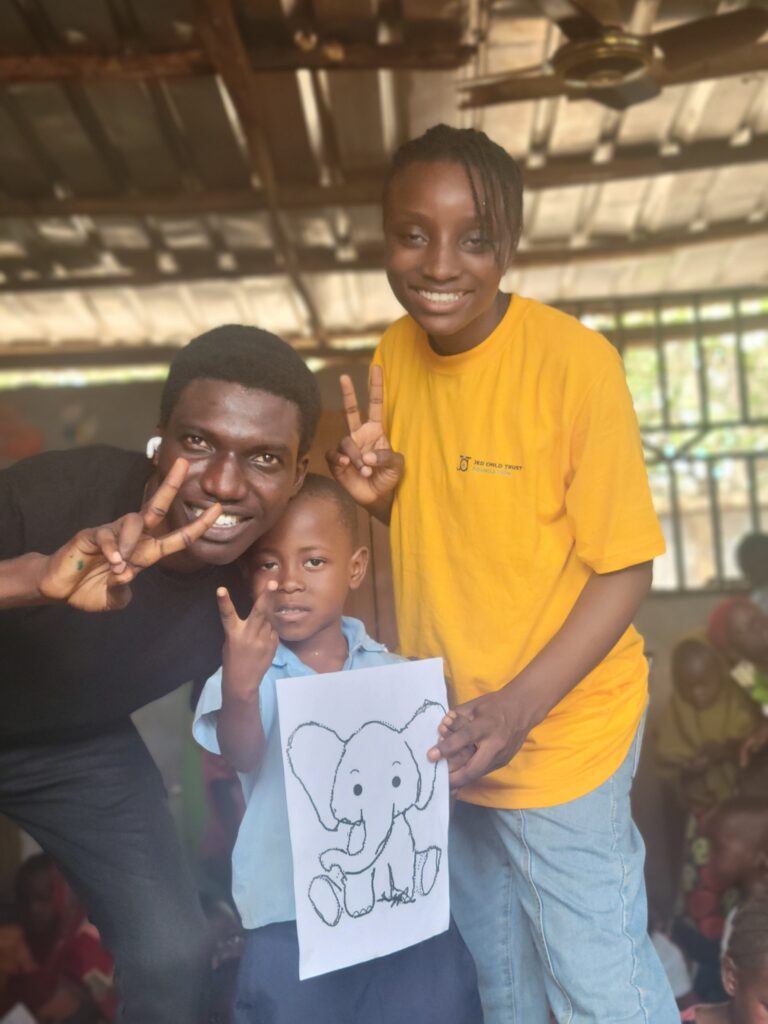
Creative engagement was also a key component of the outreach. Drawing and sketching activities were conducted with multiple classes including Kindergarten, Primary 2, and Primary 4, with dozens of pupils participating in guided exercises using illustrated materials. This provided a structured and calming activity that encouraged focus, creativity, and participation.
The program also created space for more targeted engagement. A dedicated session for girls aged 8 to 12 brought together a focused group to discuss self-awareness, confidence, and the importance of education in a safe and interactive setting. At the same time, a word-play and pronunciation session engaged a large group of boys, combining literacy development with incentives to encourage active participation and learning.
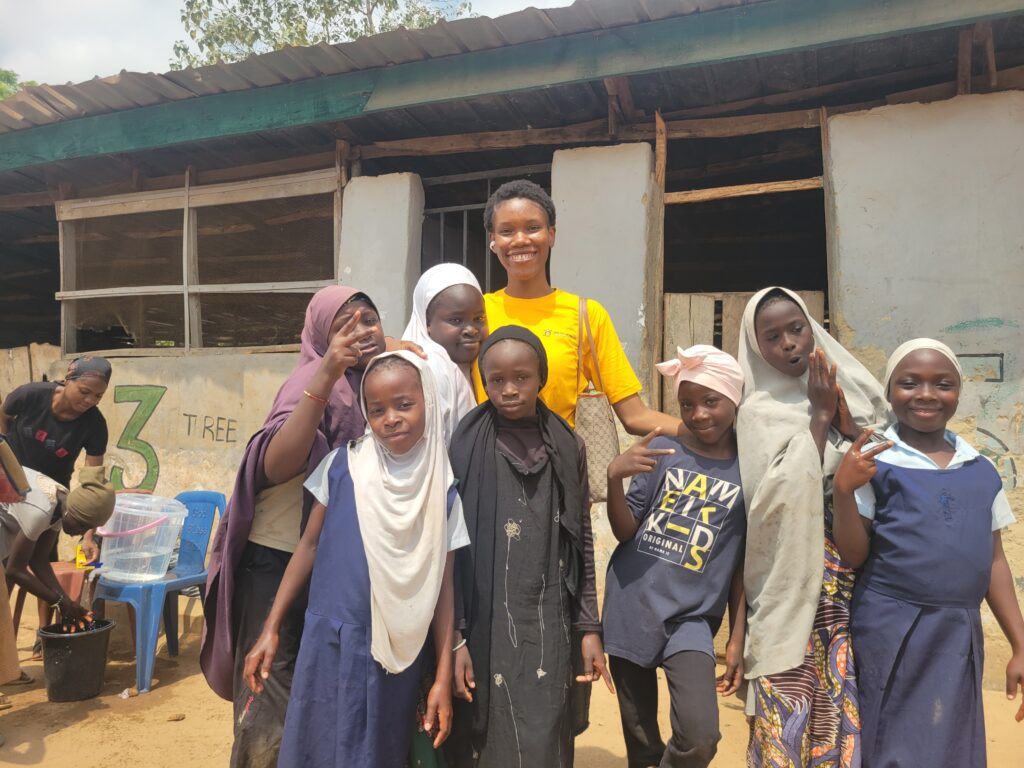
Across all sessions, participation levels were consistently high. Children were eager to respond, volunteer, and take part in activities, with facilitators managing engagement across different groups simultaneously. Despite the scale of participation, coordination ensured that each segment of the outreach remained structured and impactful.
The impact of the outreach was evident both qualitatively and quantitatively. Over 400 children were directly engaged, with clear improvements observed in confidence levels, especially among younger pupils. The hygiene session contributed to increased awareness of basic health practices, while the engagement activities created a noticeable boost in energy, interaction, and enthusiasm among participants.
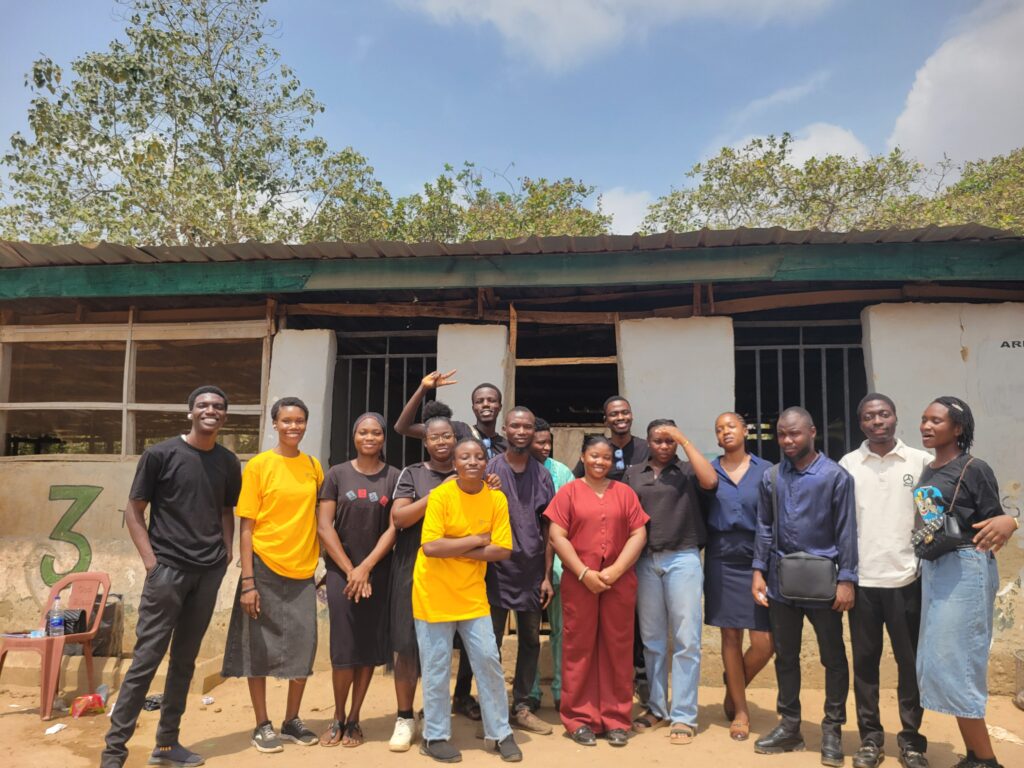
Beyond the numbers, the outreach introduced a different learning experience from the children’s usual routine. In a setting where access to structured recreational and interactive learning opportunities is limited, the program provided a space for children to learn, play, and express themselves in a way that felt meaningful and enjoyable. Feedback from the school management further highlighted satisfaction with both the organization and delivery of the program.
Overall, the outreach demonstrated that well-structured, intentional engagement at scale can significantly enhance the learning experience for children in underserved communities. By reaching hundreds of pupils in a single intervention and combining interaction, creativity, and practical learning, the program created both immediate impact and a lasting impression on the children.