
Every morning across Nigeria, countless children wake up eager to go to school, to learn, play, discover new ideas, and build dreams that stretch far beyond the walls of their classrooms. School should be a place of safety, hope, and growth. Unfortunately, in many communities today, safety is no longer guaranteed. The unsettling rise in student kidnappings has shaken families, disrupted learning, and threatened one of the most fundamental rights of every child: the right to quality education.
This crisis is deeper than fear. It is reshaping education in ways that will echo for generations.
Children learn best when their minds are calm. But when uncertainty surrounds them, learning becomes a struggle. Parents now hesitate to send their children to school, especially in rural or high-risk areas. Teachers teach with one eye on the classroom and the other on the gate. Students sit quietly, not because they are focused, but because they are scared.
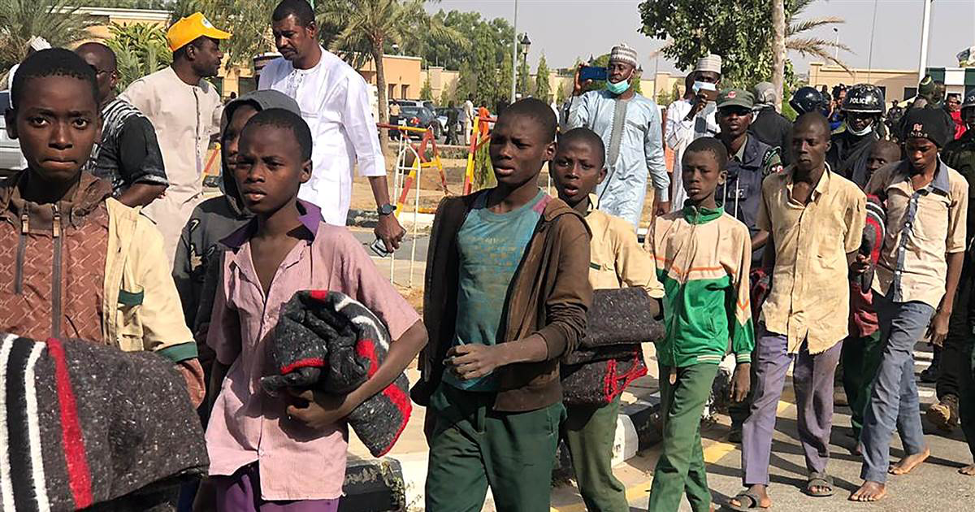
The emotional toll is heavy. Children become overly alert, anxious, or withdrawn… all responses linked to prolonged insecurity. Even those not directly affected still carry fear from what they hear or see in the news.
In some areas, schools have been forced to close temporarily or indefinitely. While reopening may seem simple, lost learning time is hard to recover. Every day a school remains closed is a day a child loses:
- Stability
- Structure
- Social connection
- Academic progress
Over time, these losses compound. Some children never return. Others shift into child labor. Girls are especially vulnerable to early marriage when schooling is disrupted.
These consequences do not stay in one community, they ripple outward, affecting national literacy, human development, and economic growth.
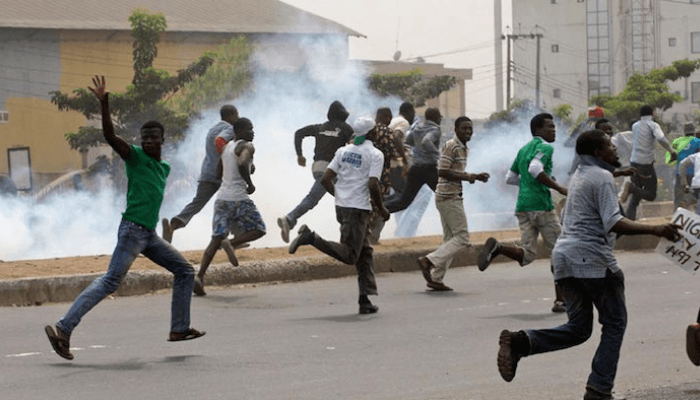
Addressing insecurity is a complex issue, but protecting education must remain non-negotiable. Schools require improved security presence, community vigilance, and quicker emergency response systems. Parents, educators, religious leaders, and local authorities must work together to create safer environments so that learning can continue.
Children deserve to sit in classrooms without glancing over their shoulders.
Education is not just a service; it is a lifeline. When schools become unsafe, a child’s future becomes uncertain. A country’s progress slows. Communities lose their brightest lights. Protecting educational spaces is not merely a matter of national security; it is a moral obligation. Every child deserves to learn in peace. The future of Nigeria depends on it.